
Seattle STR Tax Strategy
Short-term rental taxes for Seattle owners: deductions, depreciation, FIRPTA, 1031 exchanges, and the rules that decide what you actually keep.
Seattle STR tax entity comparison: sole proprietorship, S-corp, and LLC structures
Most Seattle STR owners file as sole proprietors without thinking about it. For owners earning above $40,000 net annually from their STR, the choice of entity structure has real tax consequences. Here's how each option compares and when the more complex structures justify their overhead.
Seattle B&O Tax for Short-Term Rentals: 2026 Guide
Understand Seattle's 2026 $2 million B&O threshold and deduction, why filing and licensing still matter, and how to reconcile STR gross revenue.
Airbnb 1099 Taxes: A Seattle Host Reconciliation Guide
Reconcile Form 1099-K with Airbnb payouts, refunds, fees, cleaning charges, lodging taxes, and rental books before filing.
STR Bookkeeping: A Seattle Owner's Monthly Close
Close short-term rental books monthly by reconciling platform payouts, cleaning, lodging taxes, management, repairs, owner use, and reserves.
Seattle STR income taxes for foreign property owners: FIRPTA, ITIN, and what to file
Non-resident alien owners of Seattle short-term rentals face a distinct set of IRS obligations that most U.S.-focused tax guides don't cover: FIRPTA withholding on sales, ITIN requirements, treaty benefits, and the choice between net income and gross withholding methods.
Cost segregation and depreciation for Seattle STR owners: a practical primer
Cost segregation accelerates depreciation deductions on your Seattle short-term rental, potentially generating $20,000–$60,000 in first-year tax deductions. Here's how it works, who qualifies, and whether it's worth the cost.
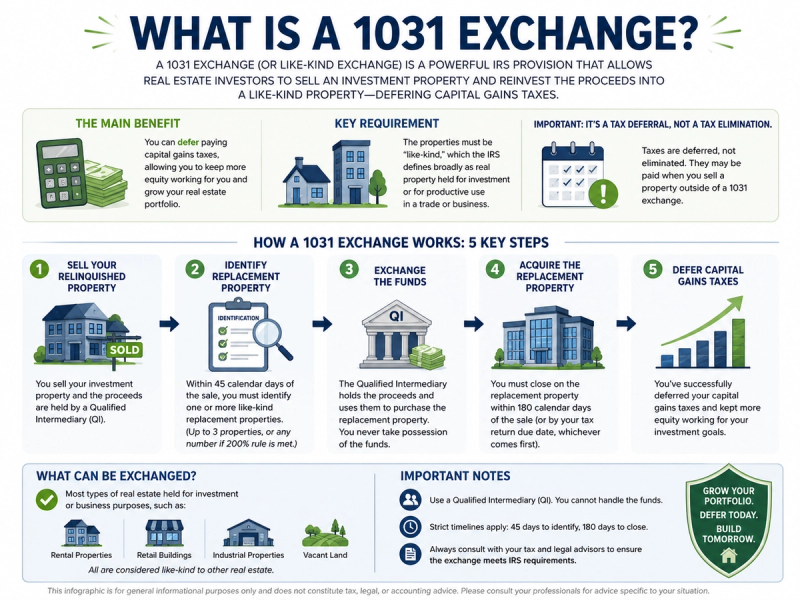
1031 exchange and short-term rentals: what Seattle investors need to know
Seattle STR investors can use a 1031 exchange to defer capital gains when selling a rental property—but the rules are strict. This guide explains eligibility, hold periods, and how to structure a compliant exchange.
Seattle STR transient lodging tax: a practical guide for operators
Seattle STR operators owe Washington transient lodging tax on stays under 30 days. This guide explains who collects it, what rates apply, how platforms remit on your behalf, and what bookkeeping you must maintain.
Why Many STR Landlords Lose Tax Benefits
Learn how ownership of your listing and active participation protect short-term rental tax advantages for high-income landlords.
Offsetting W-2 Taxes with Short-Term Rentals
Learn how high-income U.S. families use short-term rentals, material participation, and cost segregation to legally offset W-2 income by $100,000+.
Browse by category
Tax Strategy
Short-term rental taxes for Seattle owners: deductions, depreciation, FIRPTA, 1031 exchanges, and the rules that decide what you actually keep.
10 articlesMarket Analysis
Seattle and Eastside short-term rental market data: neighborhood demand, appreciation, seasonality, and where the income actually is.
72 articlesOperations
Running a Seattle short-term rental day to day: permits and compliance, guest experience, turnovers, listings, and what full-service management covers.
187 articlesFinancial Strategy
The money decisions behind a Seattle rental: cash flow vs appreciation, management fees, acquisition due diligence, and modeling real returns.
39 articlesRevenue Optimization
Levers that move a Seattle listing's revenue: dynamic pricing, occupancy, minimum-stay strategy, and the right Airbnb/VRBO/direct channel mix.
36 articlesSecurity & Safety
Protecting a Seattle short-term rental: guest screening, party prevention, insurance, damage protection, and avoiding common host scams.
56 articles